
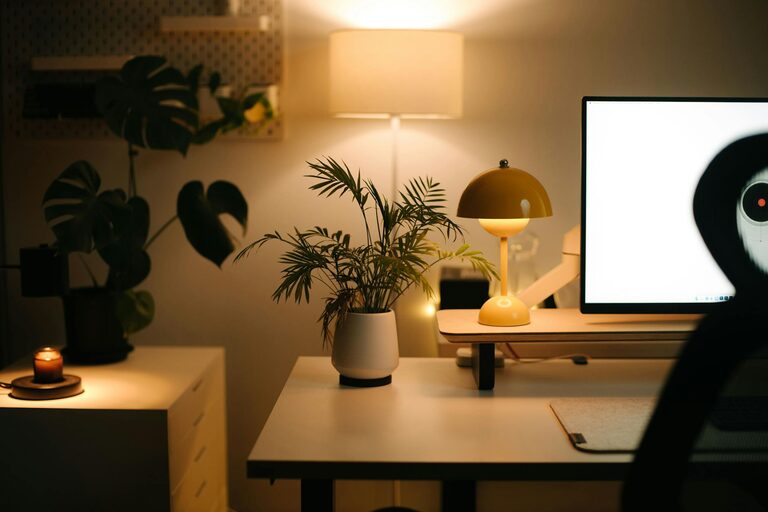
Tips for Creating a Cozy and Productive Home Office Environment
Creating a cozy and productive home office environment is essential for anyone working remotely or running a business from home. A well-designed workspace can boost your focus, enhance creativity, and improve overall well-being. In this post, we will explore simple yet effective tips to help you transform your home office into a space where comfort meets productivity.
Choose the Right Location
The first step in creating a functional home office is choosing the best spot in your home. Ideally, pick a quiet area with minimal distractions. If possible, select a place with natural light, such as near a window. Natural sunlight not only improves mood but also reduces eye strain.
If space is limited, consider using a dedicated corner or even a small nook. The key is to have a defined area for work that helps establish clear boundaries between professional and personal life.
Invest in Comfortable and Ergonomic Furniture
Comfort is crucial for maintaining productivity throughout the day. Start with a good office chair that supports your back and promotes proper posture. Ergonomic chairs are designed to minimize discomfort and reduce the risk of long-term health issues.
Pair the chair with a desk at the right height to keep your arms and wrists comfortable while typing. Adjustable desks, including standing desk options, are popular because they allow you to change positions throughout the day, enhancing both comfort and focus.
Optimize Lighting for Comfort and Focus
Good lighting is vital in any workspace. While natural light is ideal, supplement it with artificial lighting to avoid shadows and eye strain. Use a combination of overhead lights and desk lamps.
A desk lamp with adjustable brightness and color temperature can help you customize the lighting based on the time of day and the task at hand. Try to avoid harsh fluorescent lights, as they can cause headaches and fatigue.
Organize Your Workspace Neatly
A cluttered desk can be distracting and reduce productivity. Use organizers, trays, or shelves to keep your office supplies in order. Designate specific spots for pens, documents, and gadgets.
Keeping your workspace tidy not only helps you find what you need quickly but also contributes to a calm and inviting atmosphere. Try to develop a daily habit of clearing your desk at the end of each workday.
Personalize Your Space
Adding personal touches to your home office can make it a more pleasant place to work. Consider decorating with plants, artwork, or meaningful items that inspire you.
Plants are especially beneficial because they improve air quality and add a splash of color, which can boost your mood and creativity. However, avoid overcrowding the space so it remains functional and uncluttered.
Manage Noise Levels
Noise can be a significant distraction, especially in a busy household. If your workspace is noisy, consider noise-canceling headphones or background music to help maintain focus.
Alternatively, using a white noise machine or app can mask disruptive sounds. If possible, inform family members or housemates about your work hours to reduce interruptions during critical tasks.
Maintain a Consistent Routine
Establishing a routine helps separate work from leisure. Start your day at a consistent time, and create rituals like a morning coffee or a brief meditation session before diving into work.
Take regular breaks to stretch or walk around, which helps reduce fatigue and keeps your mind fresh. Using techniques like the Pomodoro method—working in focused intervals with breaks—can improve productivity and prevent burnout.
Ensure Proper Technology Setup
Having reliable technology is key to a productive home office. Invest in a good-quality computer or laptop that suits your work needs. Ensure your internet connection is fast and stable.
Set up your workspace with essential accessories such as an external monitor, keyboard, and mouse to enhance comfort and efficiency. Keep chargers, cables, and other gadgets organized to avoid a tangled mess.
Control Temperature and Ventilation
Your physical comfort impacts your ability to work well. Make sure your home office is well-ventilated and at a comfortable temperature. Use fans, heaters, or air conditioners as needed to create a pleasant environment year-round.
Opening a window for fresh air can help improve alertness and reduce stuffiness. Avoid working in spaces that are too hot, cold, or damp.
Keep Hydrated and Nourished
Keep a water bottle nearby and drink regularly to stay hydrated. Dehydration can cause headaches and reduce concentration.
Avoid eating heavy meals at your desk, but keep healthy snacks handy for quick energy boosts. This helps maintain your focus and supports your overall health during long work hours.
—
By following these tips, you can create a home office that feels welcoming and encourages productivity. Remember, the best workspace is one that fits your personal preferences and work style, allowing you to perform at your best every day. Whether you have a large room or a small corner, small improvements can make a big difference in how you feel and work from home.


